
There's a tendency to think of plywood as the best possible choice for timber veneered cabinetry. And while that's often true when exposed edges are in the brief, in some situations, MDF is actually the better choice.
Knowing which is best for your project starts with determining where and how it’s being used.
What's the difference between MDF-core and plywood-core cabinetry?
Whether you're working with an MDF or plywood core, the exterior surface is still a real timber veneer, so both products look identical from the front. The difference is the substrate.
MDF is made of compressed wood fibres, which create a dense panel. Plywood is made from multiple layers of timber veneer bonded together. Both have their own strengths and limitations.
That's why the decision isn't usually driven by the veneer. It's driven by the application.
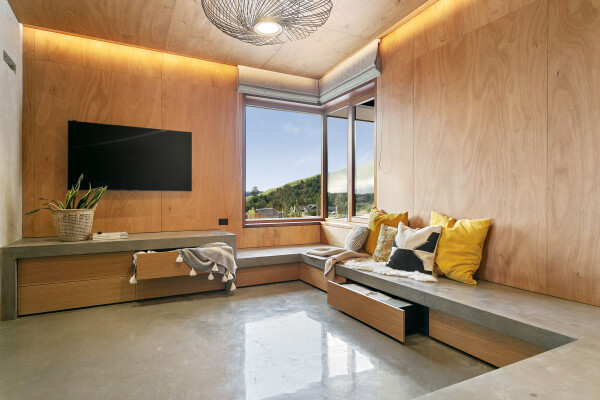
When does plywood-core cabinetry make the most sense?
One of the main reasons that specifiers choose plywood is that they want to see it. The exposed ply edge has become a design feature in its own right, particularly in contemporary and Scandinavian-inspired interiors. It particularly appeals to people who want solid natural timber cabinetry, rather than a cheaper engineered wood product.
In terms of durability, plywood is hardier and can take more of a knock, making it popular in restaurants, bars, hotels and anywhere that panels may be exposed to moisture or wear and tear. It still needs to be properly sealed, especially around edges, but as a product, it tends to cope better than MDF if there’s a risk of light moisture.
That's not to say MDF can't be used on these projects, it’s just that plywood starts to justify its additional cost.
Read more in How To Seal Plywood For Interior And Exterior Use
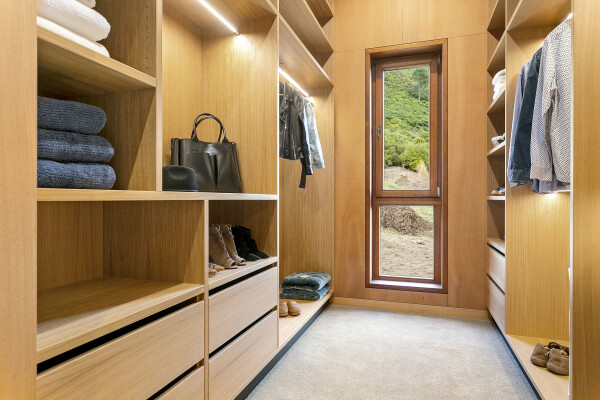
When is MDF-core the better option?
A lot of people incorrectly assume that with so many benefits to veneered plywood panels, the only reason you’d opt for veneered MDF is to save on cost. But in many cases, MDF isn't the compromise, it's the most sensible choice.
Plywood is made from layers of timber veneer, and while it's remarkably stable for a timber product, it can still be prone to slight movement as environmental conditions change. This usually isn’t an issue, until you’re working with a large panel that isn’t being fixed in place, like a door.
In contrast, MDF’s dense fibre structure tends to remain flatter and is less prone to movement. That’s why we recommend it for very large cabinet doors and anywhere maintaining a perfectly flat surface is important.
And yes, it’s more cost-effective too, which means you can redirect a portion of the budget elsewhere without sacrificing the finished appearance.
Read more in How to Stop Plywood Warping
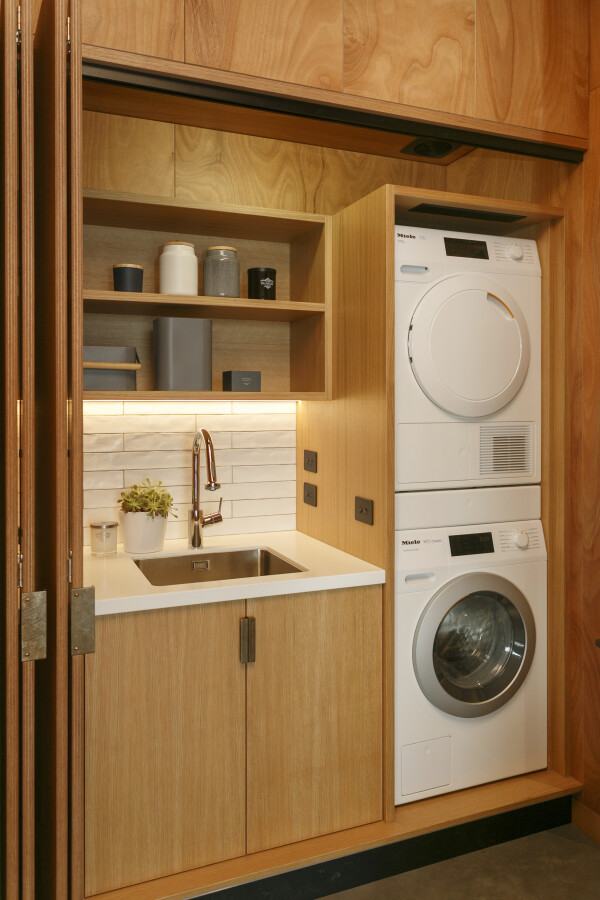
MDF or plywood: which should you choose?
As you can see, there are a few common misconceptions about these products. The first, that plywood is always the stronger and better product, the second, that MDF is basically the same thing, only cheaper.
Neither is correct nor particularly helpful if you’re trying to make the right choice for your project. The better place to start is with what the cabinetry needs to do.
If moisture is a risk, the joinery is likely to take a few knocks, or exposed edges are part of the design intent, plywood is a great option.
If you're creating large, flat door panels or a finish where the substrate will never be seen, MDF may be the better pick.
And of course, sometimes, the best answer is a combination of both, used in targeted areas.
Because, despite the assumptions, MDF vs plywood really isn’t a conversation about which material is better, it's about which is best suited for the job. If you need help deciding reach out to our team >


