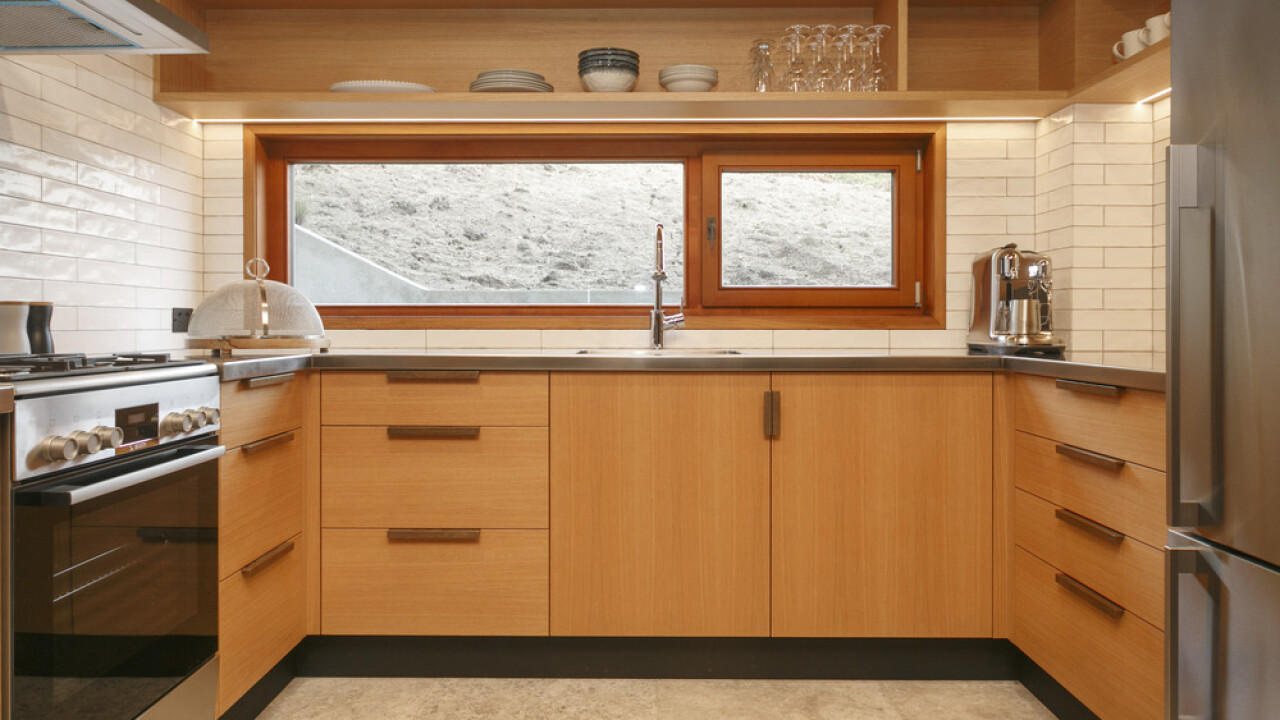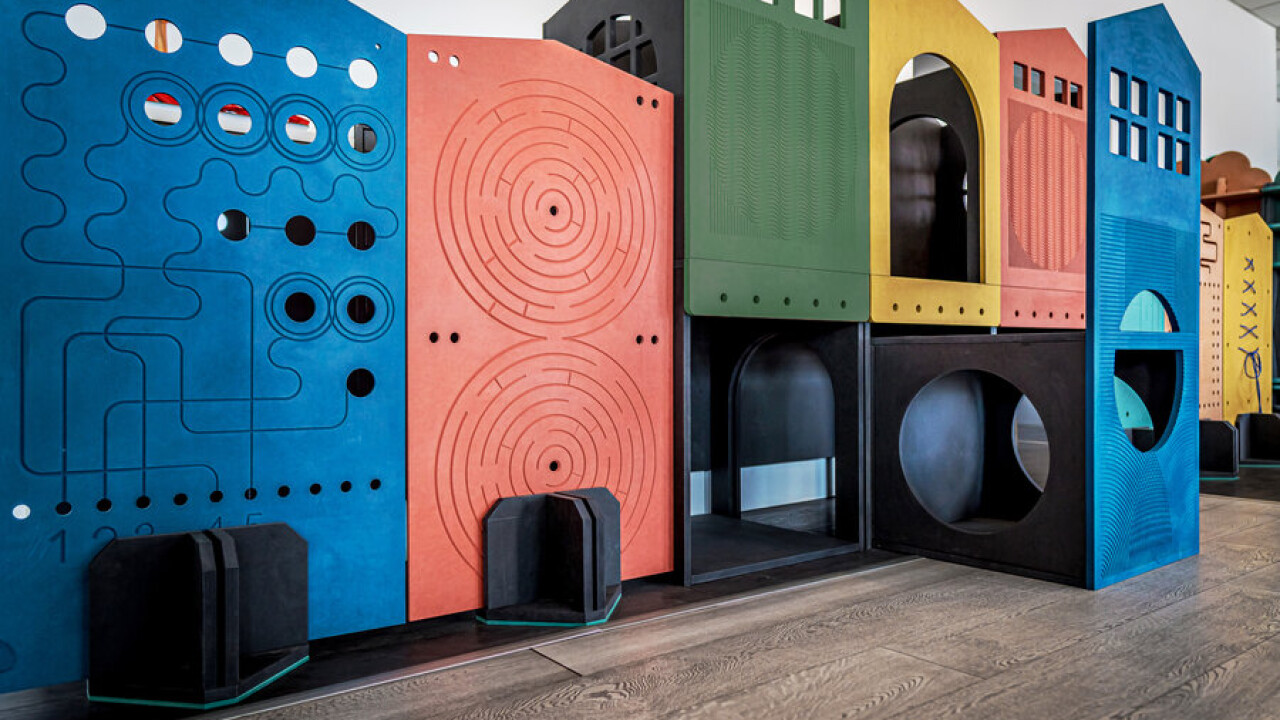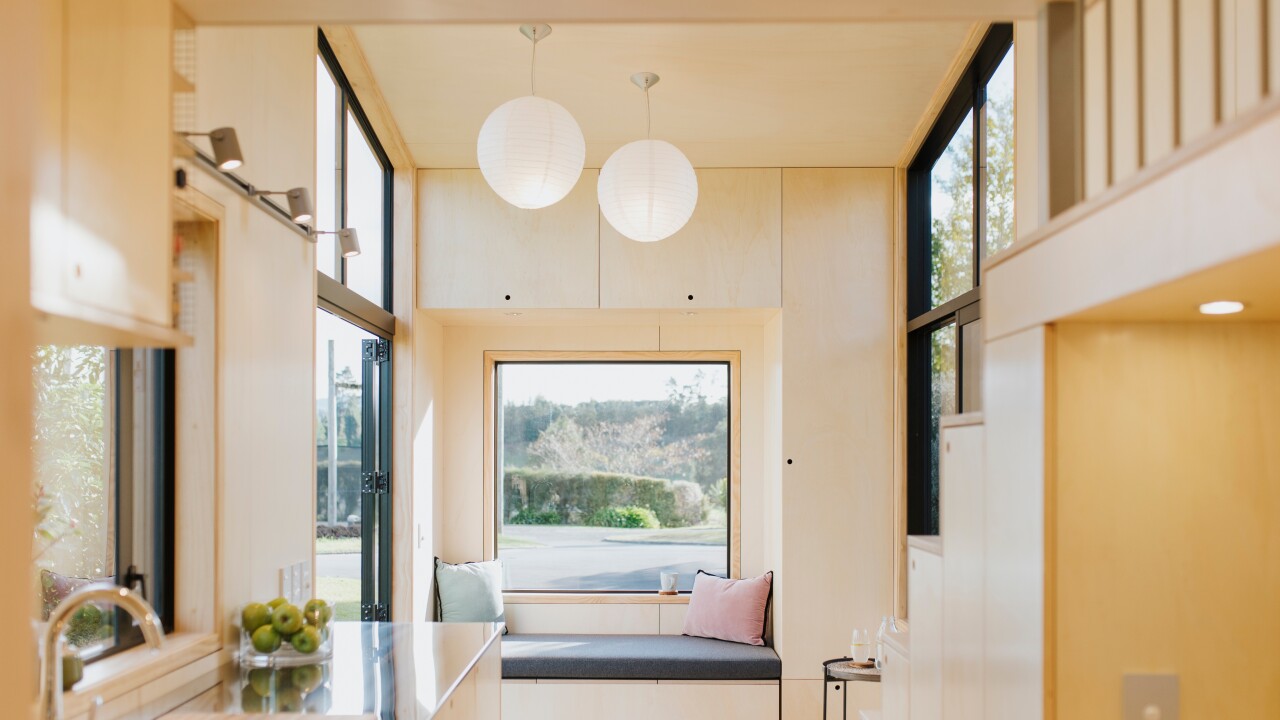
Plywood has been a staple of the New Zealand building trade for generations. But what's changed more recently is why clients ask for it. Where once the draw was cost-efficiency and speed of installation, the customers asking for exposed ply ceilings and raw timber interiors today tend to be those who are environmentally conscious and want to balance aesthetic with impact.
And that's where things get complicated, because not all plywood is made equal. Emission levels vary. Forestry certification means different things depending on the scheme. Some panels do both well, some do neither. For architects and builders fielding these questions, knowing the difference allows you to confidently recommend the right range to your client.
“All plywood contains high formaldehyde levels”
Plywood containing high levels of formaldehyde is one of the most common misconceptions we come across at Plymasters; but like most myths, it starts with a grain of truth.
Trees naturally produce trace formaldehyde as part of their normal biological processes, but the levels in natural timber are typically extremely low. The reason older products emitted such high levels of formaldehyde was the traditional adhesive manufacturers used.
But manufacturing has moved on. Emissions standards have tightened, glue systems have improved, and the range of what's available looks quite different to even a decade ago.
At Plymasters, we aim for E0-rated products wherever possible, with E0 being classified as “near zero” and better than current industry recommendations of E1 for interior use in New Zealand.
Of course, not all manufacturers work to the same standards, but it does mean that when you want to specify low or no-formaldehyde products, you know that with Plymasters, you have options.
“E0 means every product meets the same standard”
The standard goal across the European plywood and MDF market is an E1 emissions rating. E0 is an ultra-low rating that sits well below that. That part is fairly straightforward. Where it gets murkier is testing. Different countries and manufacturers use slightly different methods to arrive at that rating, which means two E0-rated products aren't always directly comparable.
That's not a reason to discount the rating. E0 is still one of the clearest signals that a product has been manufactured with low emissions in mind. But it does mean that the number, on its own, only tells part of the story. Each product in our range comes with a downloadable spec sheet, so you're not just taking the label at face value.
“Sustainable plywood and low-emission plywood are the same thing”
The terms sustainable and low-emission often come up in the same conversations, but they’re talking about two quite different things.
Sustainability certifications, like PEFC, relate to responsible forestry, traceability, and chain of custody through the supply chain. Emissions ratings relate to the adhesives and resins used in the panel itself, and how much formaldehyde gets released into the air when it’s in place.
A product can be PEFC-certified and still contain formaldehyde. Or it can be low-emissions and come from unsustainable forestry practices. We recommend considering both, which is why so many of our products are PEFC-certified and E0-rated.
Read more in Sustainability in plywood: What to look for (and why it matters).
“Low-emission plywood limits design choices”
There can sometimes be an assumption that if you want to use lower-emission products, you’re more limited in your creative and design choices. But gone are the days when low-emission was a niche reserved for only the most eco-focused of projects. Clients generally don’t want to choose between healthier materials and good design; they expect both.
We have a wide range of plywood products that hold an E0 rating, so you’re never forced to compromise on a design.
“If a product is compliant, that’s all that matters”
Compliance is important, but it’s also the bare minimum. Just because a product meets requirements doesn’t mean it’s right for every application. In areas where people are spending long hours indoors, such as schools, offices, healthcare environments, and homes, indoor air quality is becoming a bigger part of the conversation.
That doesn’t always mean projects need the lowest-emission product available. But it does mean more clients, architects, and builders are asking questions earlier in the process about what goes into the materials being used.
Learn more about low-emission plywood
There’s no single certification or rating that tells you everything about a plywood product. Emissions standards, forestry certifications, adhesives, finishes, and intended use all need to be considered before settling on a material.
Ultimately, the most important thing is understanding what those labels mean, and what they don’t. If you’re ever unsure about emissions ratings or need help determining the right plywood for a particular project, our team are always on hand to share our expertise.